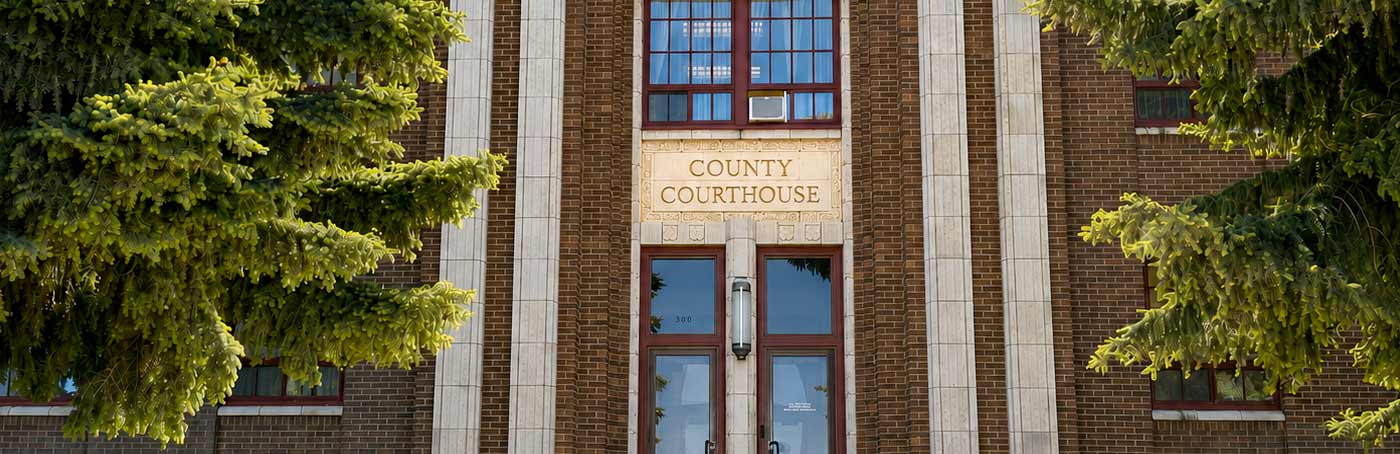
Jerome: Where Quality of Life is More Than a Catchy Phrase

Newcomers tell us that Jerome reminds them of how American life used to be: friendlier, quieter, and with more freedom to get out and do the things they love. Idaho has been ranked among the 10 safest states in the country by U.S. News & World Report. But a low crime rate is just one part of what makes the Jerome area so livable. The median housing price here is tens of thousands lower than the state’s median housing price and hundreds of thousands lower than neighboring Nevada, Utah, Oregon, and Washington.

The Jerome Joint School District encompasses seven schools, ranging from pre-K to high school,l and offers dual-credit and dual-immersion courses for students. The College of Southern Idaho, which offers two-year associate degrees, is a very short commute from neighboring Twin Falls. The college’s Jerome branch, the CSI Jerome Center, offers community-based education, including English as a second language classes, welding and trade classes, citizenship courses, and many other programs. Boise State University, the College of Western Idaho, Idaho State University, and BYU-Idaho are all within 3 hours away.

The Jerome area has easy access to high-quality healthcare, including a branch of the statewide St. Luke’s Medical Center, North Canyon Medical Center, a drug and alcohol recovery center, assisted living facilities, physical therapy services, and family health care centers. Senior citizens will discover two centers dedicated to their needs in Jerome and Eden. The Jerome area is also served by the Jerome Public Library and numerous public parks, catering to everyone from skateboarders to nature lovers.

Unlocking Opportunity in Jerome County and Magic Valley

Jerome 20/20 serves as the region’s primary interface for investment, industry, and community growth. Located in the heart of Southern Idaho’s Magic Valley, Jerome County benefits from a robust dairy and agricultural cluster, strong utilities, and strategic highway access via I-84, which supports regional and national freight movement. Our site-ready parcels, modern infrastructure, and coordinated permitting support streamline location decisions for food processing, dairy, manufacturing, and logistics operations. By aligning with local governments, utilities, and regional partners, Jerome 20/20 helps you recruit talent, expand operations, and realize a sustainable growth plan that balances economic strength with quality of life for your workforce. Your next value-added production hub starts here.

Jerome County, ID

Population Demographics

As of 2026 the population of Jerome County, ID is 25,611. The population is expected to grow to 26,376 by 2031 - a growth rate of 0.59%.

The median age of Jerome County, ID residents is 34.

The diversity index of Jerome County, ID is 74.4, meaning that there is a 74% chance that any two people selected out of 100 residents will be of different race or ethnicity from one another.

Housing and Income

The average household income in Jerome County, ID is $90,470 and projected to be $102,246 in 2031. Per capita income is $30,704, projected to be $35,008 in 2031. 2.24% of households – 573 – have an income of $200,000 or higher. Average net worth is $792,663 and the average disposable income is $69,071.

There are 9,121 housing units in Jerome County, ID; 6,157 are owner-occupied, 2,525 are rented, and 439 are vacant. The average home value is $385,323, with 1,142 homes built in 2010 or later, and 785 built in 1939 or earlier.

Business and Workforce

There are 804 businesses in Jerome County, ID, employing 9,613 workers and pulling from a labor force of 11,317 age 16 and above. 4,248 workers commute into Jerome County, ID from outside the county or state. Key industries for the area include:

6,831 residents both live and work in/around Jerome County, ID. The average travel time is 20.7 minutes. 5.11% people have a commute of less than 5 minutes while 2.66% commute 90 minutes or more each way. Of commuters, 9,451 drive alone, 1,073 carpool, and 18 take public transportation. 215 use other modes of transport such as motorcycle, bicycle, walking, etc. 560 residents work from home.

4,562 members of the workforce hold a high school diploma or GED. 1,820 have associates degrees, 1,610 have bachelor’s degrees, and 715 hold a graduate or professional degree.

Source: ESRI, 2026-04-10